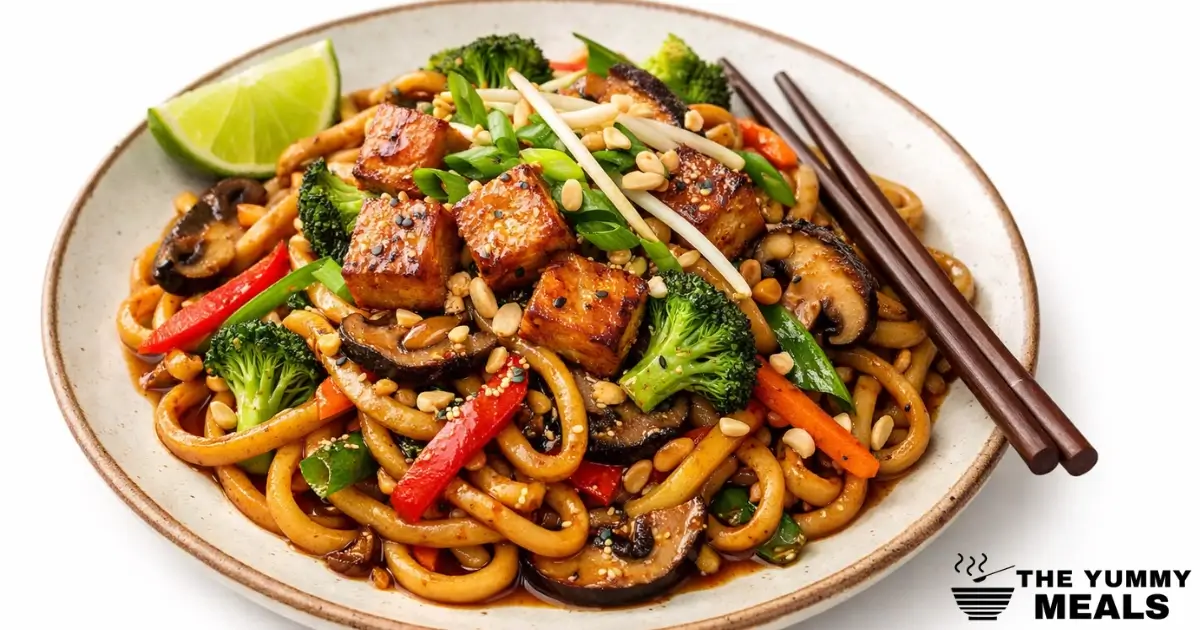
Japanese Pan Noodles deliver a delicious taste with every forkful. The dish draws inspiration from Asian cooking and Japanese cuisine. Their chewy texture pairs perfectly with rich, savory flavors. Wok-toss the noodles with fresh garden vegetables, including carrots, broccoli, and mushrooms. Some versions may also include tofu or meat for extra protein.

This dish is ideal for anyone who enjoys quick and healthy meals. Japanese pan noodles make a delicious choice for lunch or dinner. In this article, you’ll learn how to prepare this flavorful recipe at home. The steps are simple, so you can enjoy these noodles yourself or serve them to family and friends. Let’s explore the step-by-step method for making savory Japanese pan noodles with the right flavor and texture.
Table of Contents
What Are Japanese Pan Noodles?
These Japanese pan noodles feature springy noodles and crunchy vegetables tossed in a rich, well-seasoned sauce. A hot pan helps the noodles cook in just a few minutes. This cooking method creates tender noodles with a gently crispy exterior. Common additions include cabbage, carrots, and your choice of tofu or meat, all coated evenly in a glossy, well-seasoned glaze that clings to every bite.
What truly makes this dish special is its flexibility. You can keep things traditional with a classic yakisoba-style flavor that blends sweet and savory notes, or you can easily switch things up. Add extra vegetables, change the protein, or adjust the seasoning to match your taste. Japanese pan noodles are easy to adapt without losing their comforting appeal.
Small toppings can make a big difference in flavor. A sprinkle of toasted sesame seeds adds a nutty crunch, while a squeeze of fresh lime brings a bright, refreshing finish. These simple touches lift the dish and keep it exciting every time you make it.
Perfect for busy evenings, Japanese pan noodles deliver bold, restaurant-style flavor using simple, everyday ingredients. They are filling enough for a complete dinner but light enough to enjoy as a quick snack. After one homemade bowl, this dish is sure to become a regular favorite in your kitchen.

Why You Will Love Making Japanese Pan Noodles
Japanese Pan Noodles are fun and easy to make at home. Here are some reasons why you will enjoy cooking them:
- Simple ingredients you already have: You only need a few basic pantry ingredients. These include noodles, fresh vegetables, and simple condiments like soy sauce and garlic. Japanese Pan Noodles are simple to prepare with basic ingredients.
- Quick and perfect for busy days: This dish is ready in just 20–30 minutes. It makes a great choice for busy nights or quick dinners.
- Rich and comforting flavors: The flavorful sweet-and-salty sauce clings perfectly to the noodles. Every bite feels warm, satisfying, and bursting with flavor.
- Easy to customize your bowl: Add vegetables, tofu, or meat to suit your taste. Japanese Pan Noodles can be adjusted to match your mood and preferences.
- A healthier homemade choice: Cooking it yourself means more fresh, wholesome vegetables. You control the oil and seasoning for a balanced meal.
- Great for next-day leftovers: Refrigerate the dish overnight to let the flavors develop further. The dish develops a richer flavor the next day.
- One-pan and fuss-free cooking: Everything comes together in a single pan, saving time and cleanup. That makes Japanese Pan Noodles even more enjoyable to cook and eat.
Ingredients Needed
For the noodles
- Udon noodles, either fresh or pre-cooked. If using dry noodles, cook them in boiling water until tender. Add a little salt while boiling for better flavor.
For the sauce
- Add soy sauce for a flavorful, umami-rich foundation.
- Hoisin sauce for a touch of sweetness and depth.
- Use a little brown sugar or honey for balanced taste.
- Rice vinegar or fresh lemon juice for a hint of tanginess.
- The fragrant sesame oil adds a deep, nutty taste that makes the dish more appealing.
- Use freshly grated ginger to bring gentle heat and flavor.
- Minced garlic brings a bold, savory flavor.
For the stir-fry
- Use a mild cooking oil, such as canola or vegetable oil.
- Carrots, cut into small pieces for sweetness and crunch.
- Broccoli florets for freshness and a hearty bite.
- Shredded cabbage to add texture and volume.
- Mushrooms, thinly sliced, if you like an earthy flavor.
For garnish (optional)
- Toasted sesame seeds for crunch and nuttiness.
- Fresh green onions, finely chopped for freshness.
- Top with crushed peanuts or a sprinkle of chili flakes for a spicy kick.

How to Make Japanese Pan Noodles
Prepare the Noodles
- Start with 200g fresh Hokkien noodles (or quality udon as an alternative). Pour 2 liters of spring water into a heavy-bottomed pot and bring it to a full boil. Cook the noodles for 2 minutes and 10 seconds after adding them.

- Shock in ice water for 20 seconds to stop cooking, then drain fully.

- Toss with 2 tsp cold-pressed sesame oil to prevent clumping.

Building Flavor Foundations
- Get your wok smoking hot – when water droplets skitter across the surface, it is ready. Add 1 tbsp each of toasted sesame and avocado oil. When oil ribbons form, add:
- 4 garlic cloves, thinly sliced
- 1.5 tbsp matchstick-cut ginger
Stir-fry with a flat wooden paddle for 12 seconds until fragrant but not browned.

Vegetable Cooking Sequence
- Cook vegetables in stages by density:
- 80g julienned burdock root – 75 seconds
- 100g shaved Brussels sprouts – 60 seconds
- 120g hand-torn mustard greens – 30 seconds
Use a constant flipping motion with your paddle to ensure even cooking.

Sauce Preparation
- Gently push cooked items toward the wok’s edges. In the center, combine:
- 3.5 tbsp aged tamari
- 1 tbsp mirin
- 2 tsp black vinegar
- 1 tsp coconut sugar
Let the sauce reduce by half before incorporating it with the vegetables.

Combining Elements
- Arrange noodles in a sunburst pattern. Use stainless steel tongs and a bamboo spatula to lift and turn.

- Cook until noodles develop golden edges (about 100 seconds).

- Add kombu dashi by the teaspoonful if you need to moisten the ingredients.

Finishing Touches
- Remove from heat. Garnish with:
- 1 tbsp nigella seeds
- 2 tbsp shaved bonito flakes
- ½ tsp sudachi zest
Dash of shichimi togarashi.

- Fold gently four times with a cutting motion to preserve texture.

Serving Suggestions
Fresh Vegetable Sides
- Cool cucumber slices or crisp lettuce help balance the rich taste.
- Add quick-pickled vegetables for extra texture.
Protein Toppings
- Try grilled shrimp, baked tofu, or sliced chicken.
- Keep seasonings light to complement the noodles.
Tasty Garnishes
- Sprinkle with toasted sesame seeds or chopped peanuts.
- Add green onions or lime wedges for freshness.
- Drizzle with chili oil for spice lovers.
Perfect Drink Matches
- Refreshing iced green tea or cold lemon water
- Warm miso soup for cooler days
Serving Tips
- Use deep bowls to keep noodles warm.
- Include chopsticks for authentic enjoyment.
Storing
- Let noodles cool totally before storing.
- Use a clean, airtight container.
- Refrigerate and enjoy within three days.
- Label with the date for freshness.
- Reheat in a pan with a small amount of water or sauce.
- Microwave for 1–2 minutes if needed; stir halfway.
- Do not freeze – noodles may turn mushy.
- Store noodles and toppings separately if possible.

Expert Tips
- Choosing the Right Noodles: Select noodles that hold sauce well and stay firm after cooking. Avoid overcooking, as soft noodles can turn mushy. The right choice makes Japanese Pan Noodles taste closer to restaurant-style.
- Vegetable Prep Secrets: Cut vegetables into similar sizes for even cooking. Prep everything before turning on the heat. This keeps the dish colorful, fresh, and perfectly cooked.
- Sauce That Tastes Like Takeout: Mix the sauce ingredients ahead of time for a balanced taste. A good blend of sweet and salty makes a big difference. It gives Japanese Pan Noodles that familiar takeout-style flavor.
- Layering Flavors like a Pro: Add aromatics first, then vegetables, and finish with sauce and noodles. This order builds depth in every bite. Each step adds a new layer of taste.
- Texture Tricks: Keep some crunch by not overcooking the vegetables. Slightly chewy noodles and crisp veggies create the best texture. Balance is key.
- Wok Mastery for Authentic Results: Use a wide pan or wok and keep the heat high. This helps ingredients cook quickly and evenly. Proper heat brings out the true flavor of Japanese Pan Noodles.
- Garnishing for Impact: Finish with simple toppings, such as green onions or sesame seeds. Garnishes add freshness and visual appeal. Small details lift the whole dish.
- Leftover Revival: Warm the leftovers in a pan rather than reheating them in the microwave. Stir in a light splash of water or sauce to restore moisture to the noodles. This brings back moisture and flavor without drying them out.
Frequently Asked Questions
1. What exactly are Japanese Pan Noodles?
This Japanese-inspired dish features thick udon noodles. They are wok-tossed until tender, chewy, and flavorful. The noodles are stir-fried with mixed vegetables and tossed in a flavorful Asian-style sauce. Enjoy a flavorful blend of sweetness, savory goodness, and mild smokiness.
2. Do Japanese Pan Noodles taste spicy?
No, Japanese Pan Noodles are usually not spicy. They have a mild, sweet, and savory taste. But if you enjoy heat, you can easily add chili sauce, red pepper flakes, or spicy oil to make it hot.
3. Are Japanese Pan Noodles suitable for vegetarian and vegan diets?
Yes, they can be both vegetarian and vegan. Most homemade and restaurant versions use only plant-based ingredients, such as noodles, vegetables, and soy-based sauces. Skip the fish sauce and meat broth.
4. What kind of sauce is used in Japanese Pan Noodles?
Together, these ingredients create a complex and flavorful sauce. Some recipes also add brown sugar or mirin for sweetness. The sauce adds a deep, savory umami taste to the dish.
5. Is it easy to cook Japanese Pan Noodles at home?
Absolutely! This dish comes together quickly at home with just noodles, fresh vegetables, and basic pantry sauces. Easy: boil the noodles, toss them with sautéed veggies and sauce, and dinner’s ready in under 20 minutes.
6. What vegetables pair well with Japanese Pan Noodles?
Popular choices include broccoli, carrots, bell peppers, cabbage, and mushrooms. You can also add snow peas or baby corn. Feel free to use whatever fresh veggies you have in your kitchen.
Read More: Veggie Black Bean Enchiladas
Recipe Card

Japanese Pan Noodles

Ingredients
For the noodles
• 200 grams of udon noodles (fresh or pre-cooked).
• Boil water (if using dry noodles).
• A pinch of salt (for flavoring).
For the sauce
• 2 tablespoons soy sauce.
• 1 tablespoon hoisin sauce
• 1 tablespoon brown sugar or honey.
• 1 tablespoon rice vinegar or lemon juice.
• 1 tablespoon sesame oil.
• 1 teaspoon grated ginger.
• 1 clove garlic, minced.
For the stir-fry
• 1 tablespoon of cooking oil (such as canola or vegetable oil).
• 1/2 cup diced carrots.
• 1/2 cup chopped broccoli.
• 1/2 cup shredded cabbage.
• 1/4 cup sliced mushrooms (optional).
For garnish (optional)
• Sesame seeds.
• Chopped green onions.
• Crushed peanuts or chili flakes (if you prefer a hint of spiciness).
Instructions
Cook the noodles
1. Boil the water, then cook the noodles until just under the recommended package time.
2. Rinse in ice water, drain, and toss with sesame oil to avoid sticking.
Heat the wok
1. Get the wok very hot. Add a mix of sesame oil and avocado oil.
2. Stir-fry sliced garlic and ginger until fragrant.
Cook the vegetables
1. Add vegetables one by one, starting with the firmest. Stir constantly for even cooking.
Make the sauce
1. Push veggies to the sides. Mix tamari, mirin, black vinegar, and coconut sugar in the center. Let it reduce before mixing with the vegetables.
Combine with noodles
1. Add the noodles and stir until they are slightly golden. Add a little dashi if the mixture feels too dry.
Finish and serve
1. Remove from heat. Garnish with nigella seeds, bonito flakes, citrus zest, and shichimi togarashi. Gently fold before serving.
Notes
- Customize your protein – Try tofu, shrimp, or chicken (or skip for veggie)
- Noodle options – Udon works best, but rice noodles keep it gluten-free
- Sauce to taste – Add more soy sauce, sesame oil, or chili for extra flavor
- Veggie favorites – Bell peppers, mushrooms, and bok choy add crunch and nutrients.
- Perfect pairings – Serve with miso soup or a light salad for balance
- Storage tip – Keep leftovers refrigerated 2-3 days; revive with a splash of water when reheating
- Diet-friendly – Easily adapt for vegan, vegetarian, or gluten-free diets
Nutrition Facts (Approximate Values)
