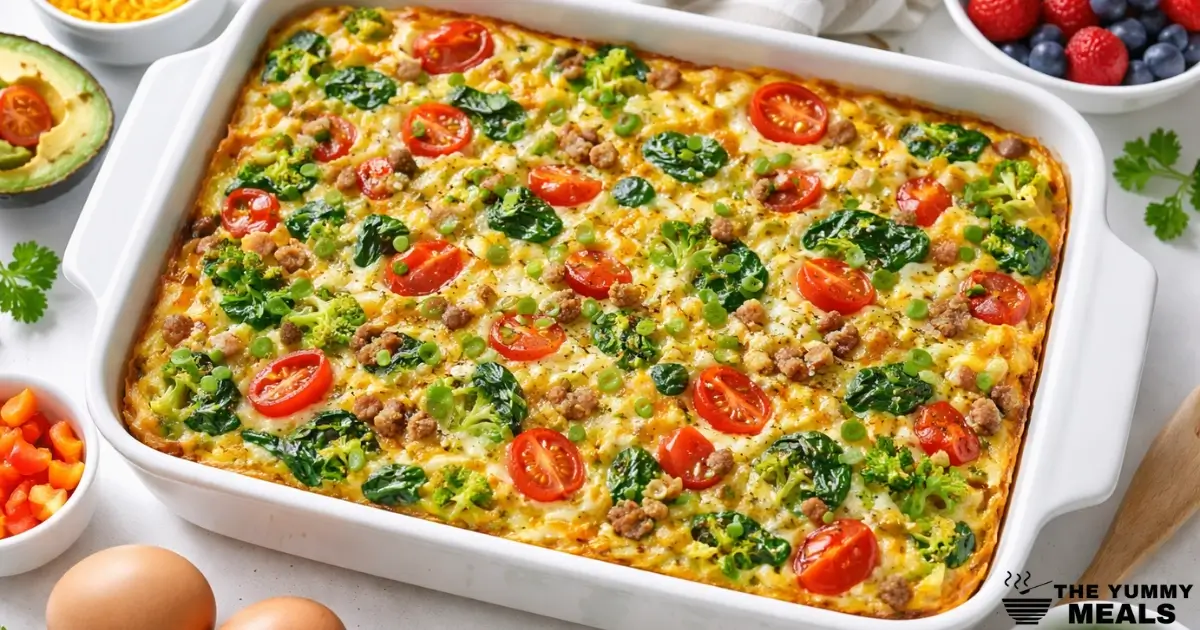
Healthy breakfast casseroles hold the power to transform busy mornings into something manageable and even enjoyable. With just one dish assembled ahead of time, you can ease your morning rush while still nourishing your body.
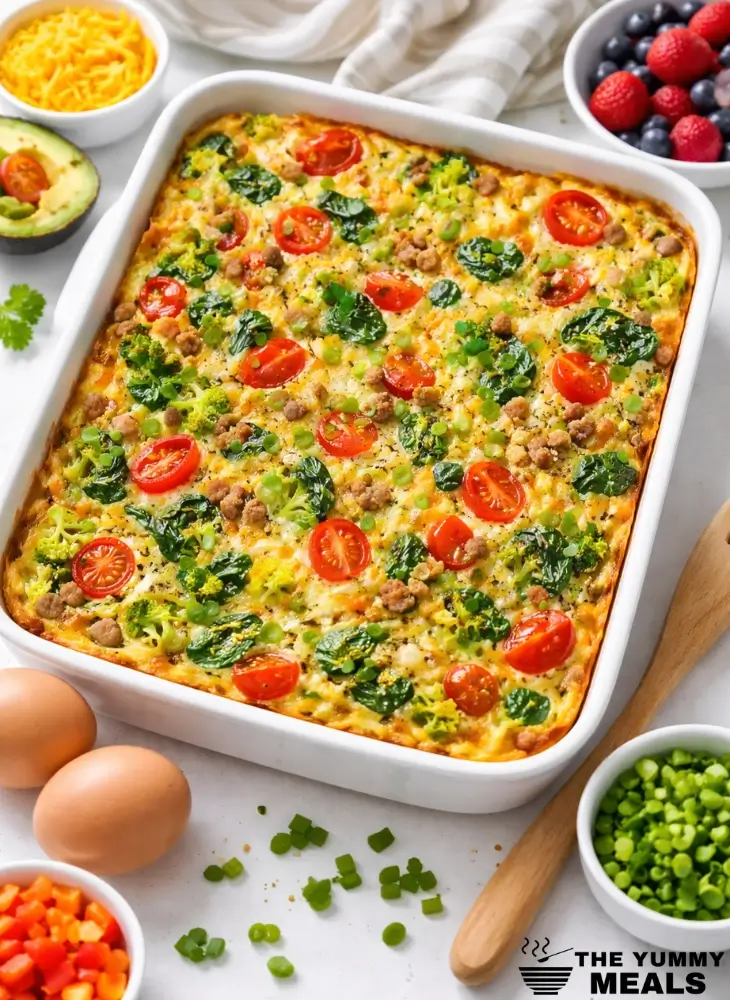
A breakfast casserole is a savory bake that combines eggs with vegetables, protein, and often grains or dairy, then baked until set. And a truly healthy breakfast casserole can make mornings easier, tastier, and more nutritious. It is perfect for meal prep, families, and busy mornings. In this article, you will learn how to make a healthy breakfast casserole using ingredients and follow clear, step-by-step instructions.
Table of Contents
What is a Healthy Breakfast Casserole?
At its heart, a Healthy Breakfast Casserole brings together everything you might normally cook in a morning pan. Eggs, a protein source, fresh vegetables, and sometimes grains come together in a single baking dish. Think of it as a cozy blend of a baked omelet and a classic breakfast strata.
Many traditional versions are quite heavy. They often rely on lots of cheese, processed meats, white bread, or hash browns, along with rich milk or cream. A Healthy Breakfast Casserole takes a smarter route. Simple ingredient changes, such as whole grains and lean protein, can make a noticeable difference.
When prepared thoughtfully, a healthier casserole feels well-balanced. Protein supports muscle and keeps you satisfied. Fiber helps digestion and provides steady energy. Colorful vegetables add vitamins, minerals, and freshness. Together, these elements help you feel full, energized, and comfortable after your meal.
A Healthy Breakfast Casserole stands out because it is so easy to customize. You can easily adjust it for low-carb, vegetarian, vegan, or gluten-free diets. Tweaking the base and mix-ins helps you create a healthy bake that suits your preferences and lifestyle.
Why You Will Love This Recipe
- Quick and Easy to Make: This Healthy Breakfast Casserole comes together quickly with simple steps. It is perfect for busy weekdays or a relaxed weekend brunch when you want something homemade without stress.
- Nutritious and Balanced: The recipe is packed with lean protein, fresh vegetables, and whole-grain or high-fiber ingredients. Every serving feels wholesome, satisfying, and light all at once.
- Perfect for Meal Prep: This dish is great for planning. It stores well and reheats beautifully, making weekday mornings easier and more organized.
- Family-Friendly Flavor: Both kids and adults enjoy a Healthy Breakfast Casserole. The flavors are comforting and mild, making it a crowd-pleaser for any table.
- Flexible and Budget-Friendly: You can easily swap ingredients based on what you have at home. This saves time, reduces grocery stress, and helps avoid food waste.
- Never Gets Boring: By changing vegetables, seasonings, or proteins, you can enjoy new flavors every time. This keeps the Healthy Breakfast Casserole exciting and enjoyable.
Read More: Cinnamon Apple Muffins
Ingredients You Will Need
For the Base
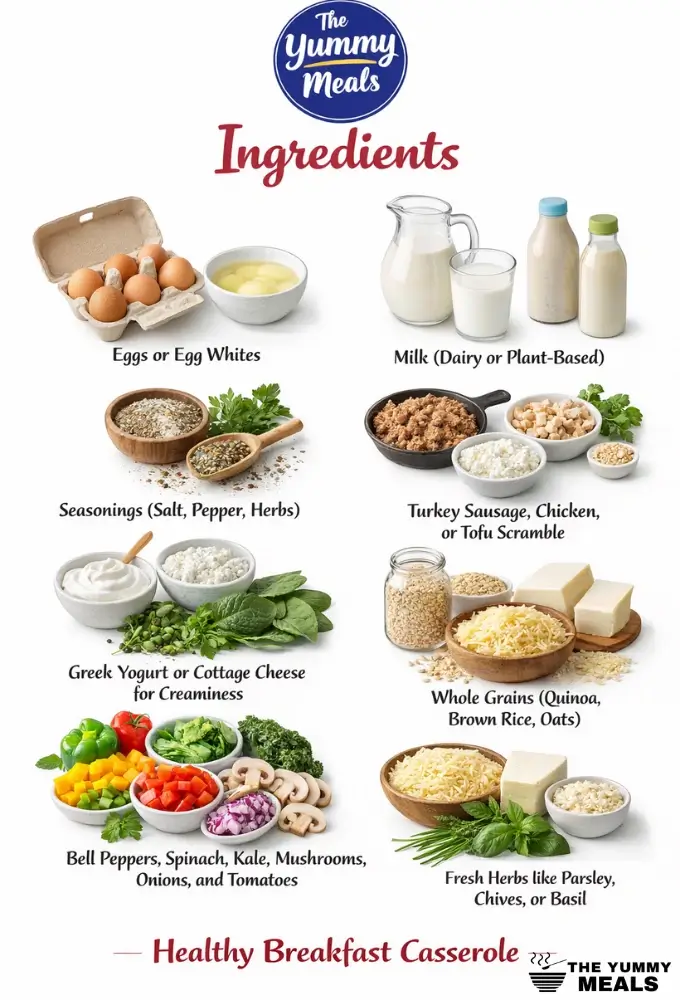
- Eggs or egg whites — your primary binder and protein source.
- Milk (dairy or plant-based) — helps create a custard-like texture.
- Seasonings (salt, pepper, herbs) — for flavor enhancement.
For Protein
- Turkey sausage, chicken, or tofu scramble — choose lean and clean.
- Greek yogurt or cottage cheese for creaminess — optional, but adds protein and texture.
For Vegetables
- Bell peppers, spinach, kale, mushrooms, onions, tomatoes — choose a mix of color and texture.
Tips: the more variety in vegetable color (red, green, yellow, purple), the more varied micronutrients you include.
For Optional Add-Ins
- Whole grains (quinoa, brown rice, oats) — for extra fiber and sustained energy.
- Low-fat cheese or dairy-free alternatives — for meltiness without excess saturated fat.
- Fresh herbs like parsley, chives, or basil add a burst of flavor, a lovely aroma, and a light, fresh touch to the dish.
How to Make a Healthy Breakfast Casserole
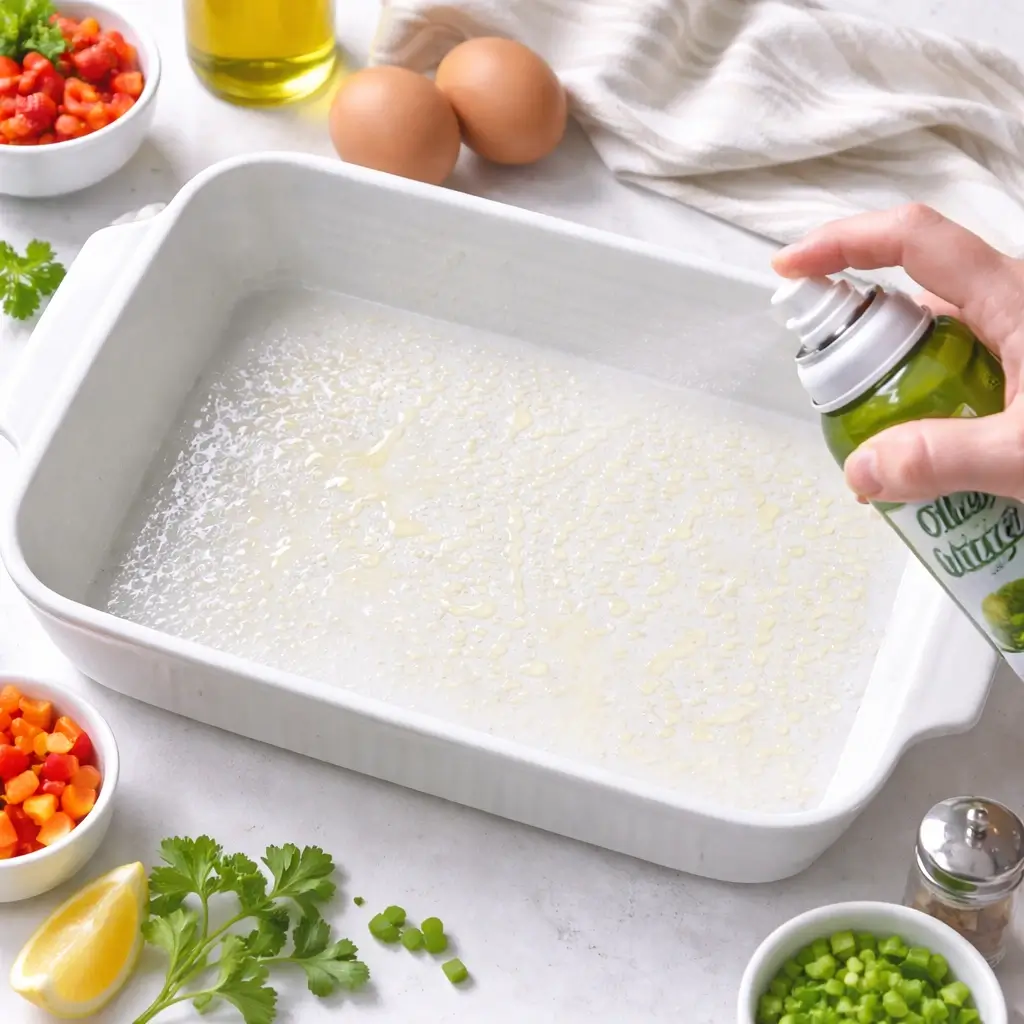
Preheat the oven and prepare your baking dish
- Set your oven to 350°F (175°C) or to the temperature recommended in your recipe. Lightly grease or spray a baking dish and set it aside.
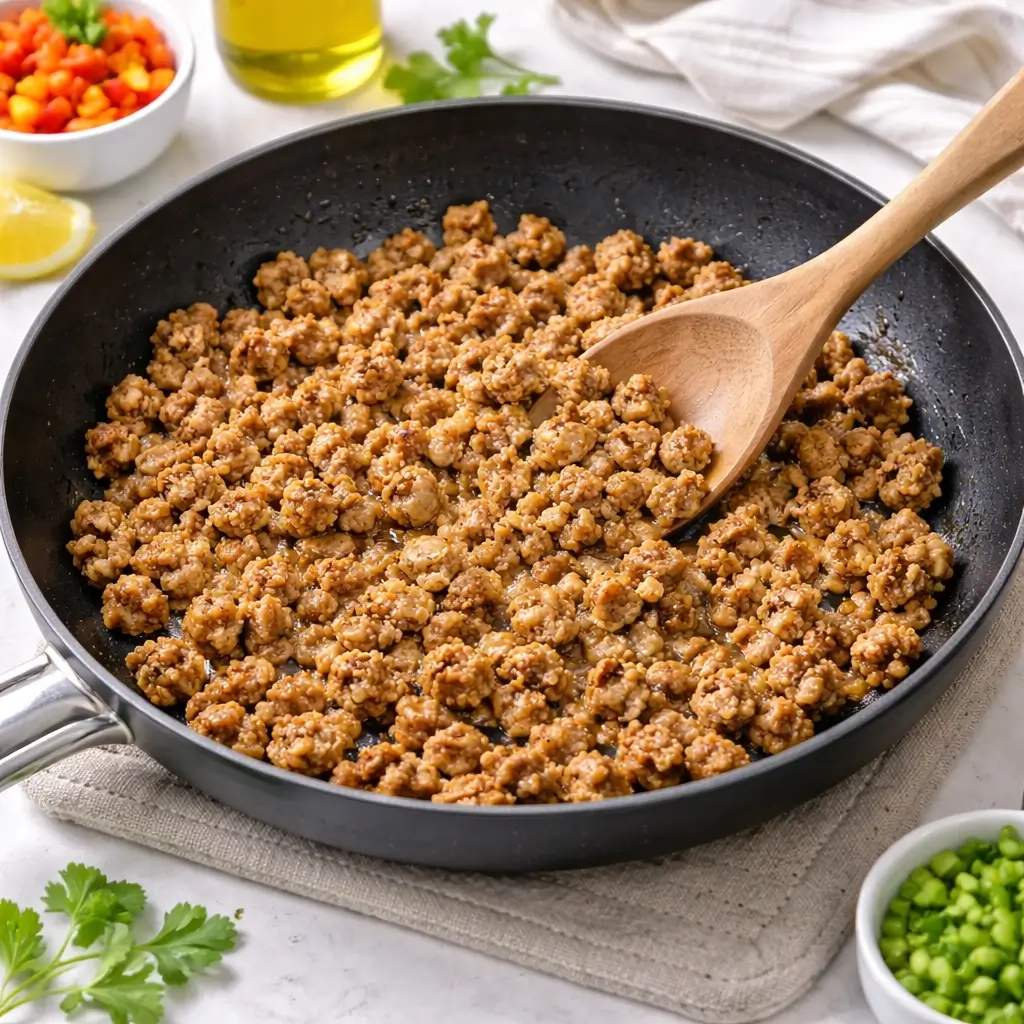
Cook the protein (if using sausage or meat)
- Brown the turkey sausage or chicken pieces in a skillet until fully cooked. Drain excess fat if needed. For tofu, crumble and sauté until slightly firm.
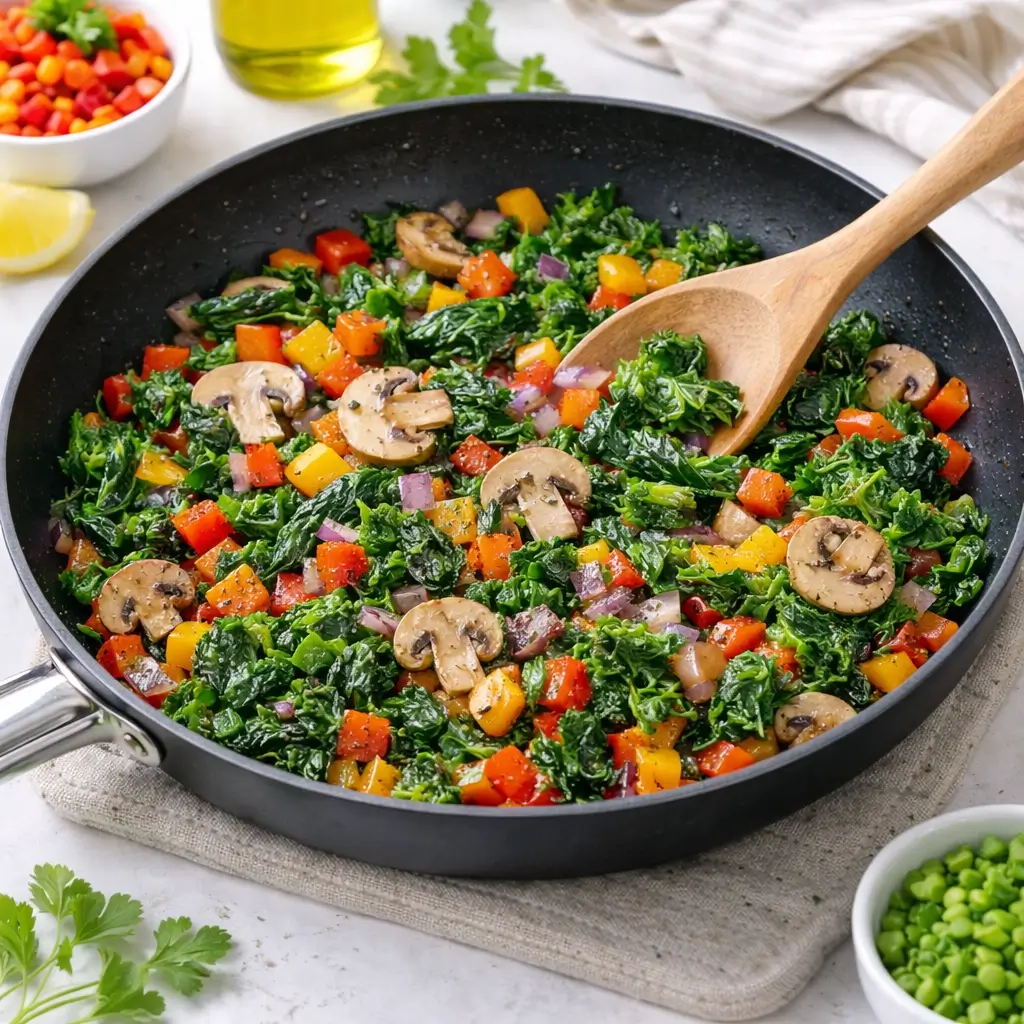
Sauté the vegetables until tender.
- In the same skillet (or a separate one), sauté onions, peppers, mushrooms, kale/spinach until just tender. You want them cooked but not mushy. Season lightly.
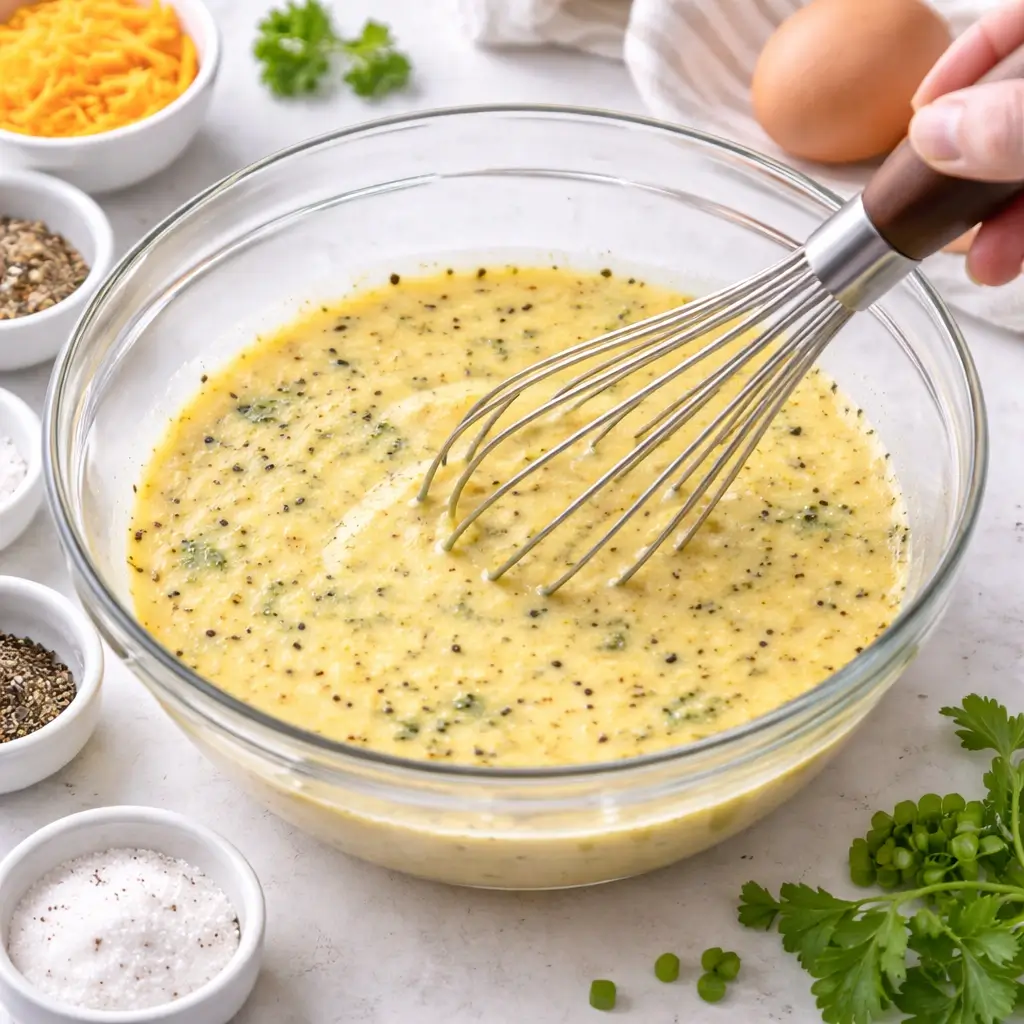
Whisk the eggs and milk with the seasoning.
- Combine eggs or egg whites, milk, salt, pepper, and dried herbs in a large bowl and whisk until smooth and blended.
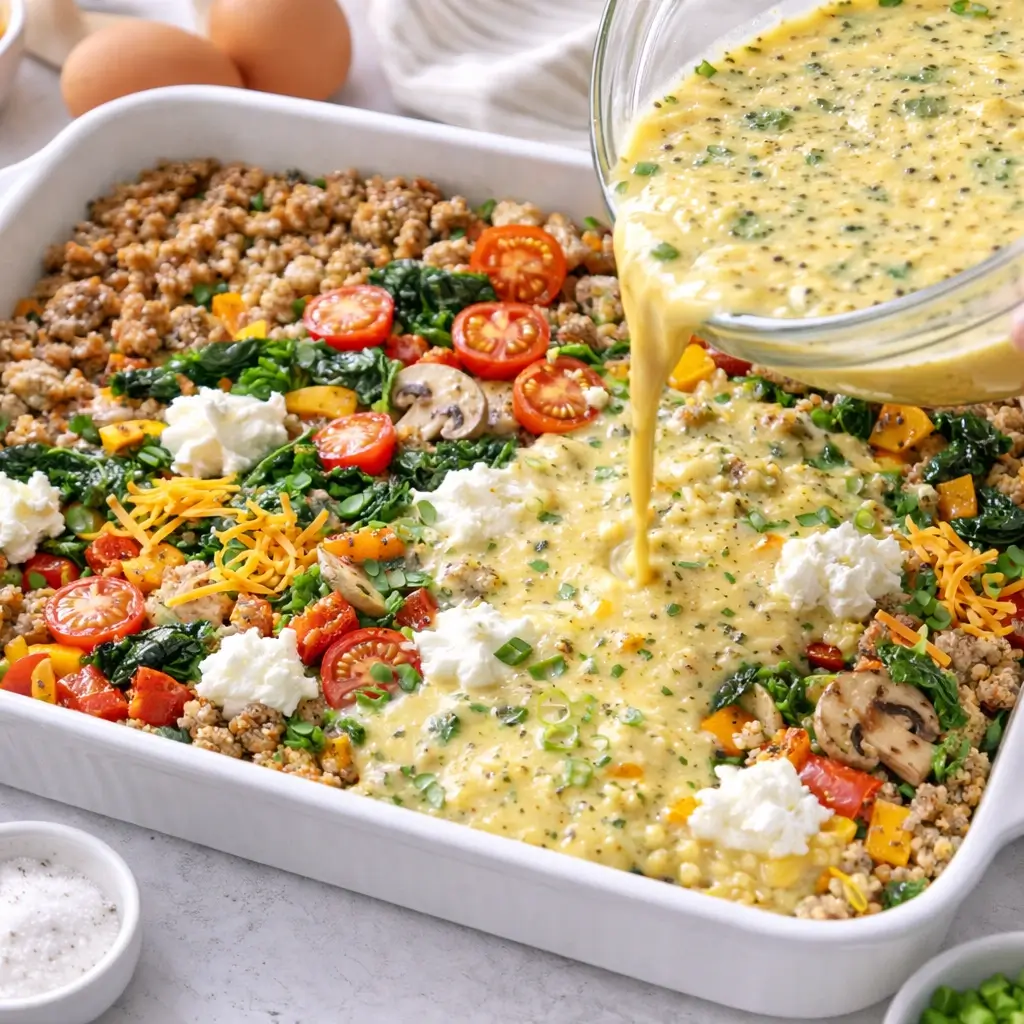
Assemble the casserole – layer the ingredients in the dish.
- Begin by adding a layer of protein, followed by vegetables, and grains if you’re using them, then pour the egg mixture evenly over everything. Add cheese or yogurt/cottage cheese dollops as desired.
Bake until the top turns golden and the center feels firm.
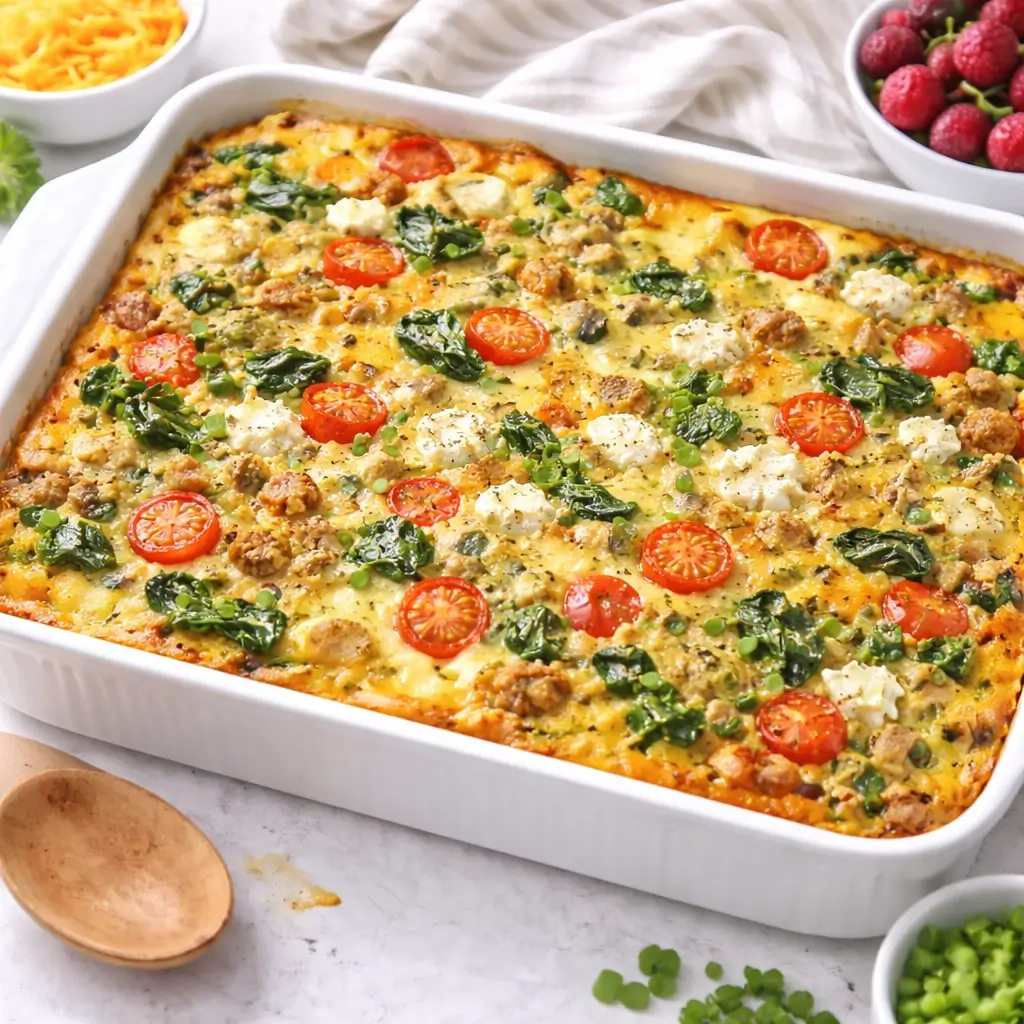
- Bake for 30–40 minutes in the preheated oven, until the edges are firm and the center feels springy to the touch. For a deeper dish, allow a little longer.
Cool slightly before serving.
- Let the casserole sit for about 5-10 minutes before cutting. That helps it finish setting and makes slicing easier.
Expert Tips for Better Results
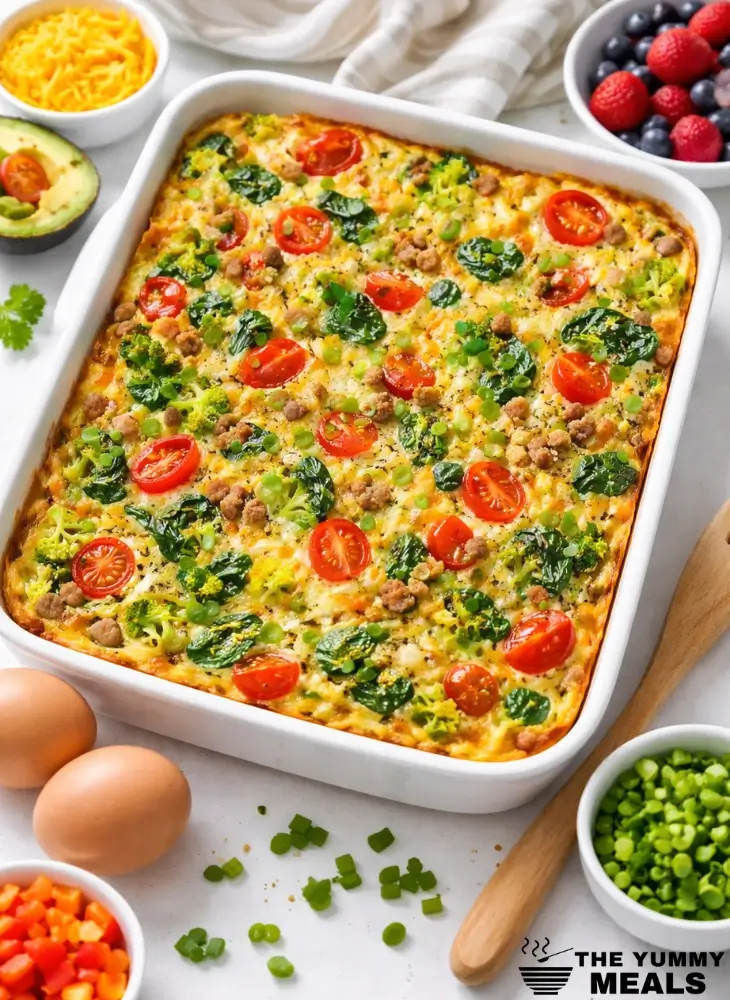
These tips will help you make a flavorful and perfectly cooked Healthy Breakfast Casserole every time.
- Prevent a Soggy Texture: Always cook vegetables first or drain them well before using. Extra moisture from raw or frozen veggies can affect the final texture. Keep milk and watery ingredients in check. This helps your Healthy Breakfast Casserole set nicely.
- Get the Egg-to-Milk Ratio Right: Using too much milk can turn the casserole runny and watery. Too little can turn it dry and firm. A balanced mix creates a soft, custard-like texture. Adding one extra egg can improve the structure.
- Prepare Ingredients in Advance: Cut the vegetables early and cook the protein ahead. You can also put the dish together the night before. Cover it tightly and refrigerate overnight. Baking it in the morning helps save time.
- Add Extra Protein or Fiber: Mix in Greek yogurt or cottage cheese for more protein. Grains such as quinoa and brown rice help increase fiber. These ingredients make a Healthy Breakfast Casserole more filling and satisfying.
- Balance Flavors and Seasoning: Salt should not be the only flavor you add. Use herbs, black pepper, paprika, or mild spices for depth. A small splash of hot sauce or fresh herbs at the end can brighten the overall flavor.
- Freeze and Reheat Properly: Let the casserole cool completely before storing. Cut into portions and wrap tightly for freezing. Reheat in the oven or microwave. Use a light splash of liquid when needed.
- Use the Right Baking Dish:- Choose a dish that allows even heat distribution. Glass or ceramic dishes work best. Avoid very deep pans so the center cooks evenly without overbaking.
- Store Leftovers the Smart Way: Keep leftovers in an airtight container in the fridge. They stay fresh for several days and reheat well. This makes a Healthy Breakfast Casserole ideal for busy mornings and meal prep.
Ingredient Swaps and Variations
These ideas help you customize a Healthy Breakfast Casserole to match your taste, diet, and schedule.
- Vegetarian Option: Leave out the meat and focus on plant-based protein. Use tofu scramble, beans, or extra vegetables for a hearty texture. This keeps the dish filling while staying meat-free.
- Low-Carb Choice: Skip the grains and add more vegetables and protein. Use less milk or swap it with unsweetened almond milk. This version keeps the Healthy Breakfast Casserole light and low in carbs.
- Dairy-Free Alternative: Replace regular milk with almond milk or another plant-based option. Choose dairy-free cheese or cottage cheese substitutes. You still get great flavor without dairy.
- Mediterranean-Inspired Style: Add olives, feta, sun-dried tomatoes, and leafy greens like spinach or kale. Chickpeas can boost protein and texture. This variation brings color and bold flavor.
- Southwest Flavor: Mix in black beans, corn, diced tomatoes, and salsa. Use pepper jack or mild cheddar for gentle heat. Finish with fresh cilantro for brightness.
- Make-Ahead Version: Combine all ingredients the night before and cover firmly. Store it in the fridge and bake it fresh in the morning. It is perfect for busy days or hosting brunch.
- Extra Veggie Boost: Add mushrooms, zucchini, or bell peppers for more nutrition and flavor. These veggies blend well and keep the Healthy Breakfast Casserole colorful, wholesome, and satisfying.
How to Store and Reheat
Storing
- Refrigerator storage: After baking, cover the casserole tightly and store it in the fridge. Use within 3-4 days for optimal freshness and safety.
- Freezing instructions: Once cooled, cut into serving portions, wrap in plastic wrap and foil, or store in airtight freezer bags. You can freeze it for up to 2–3 months. Thaw overnight in the fridge before reheating.
Best ways to reheat
- Oven: 325-350 °F until warm throughout.
- Microwave: individual slices, covered, with a splash of water or milk to prevent drying.
- Air fryer: Reheat in small portions over low to medium heat, keeping them covered or wrapped.
- Keep it moist and flavorful after reheating: Add a little Greek yogurt, salsa, or fresh herbs on top. A quick spray of olive oil or a drizzle of melted butter helps maintain moisture.
Serving Suggestions
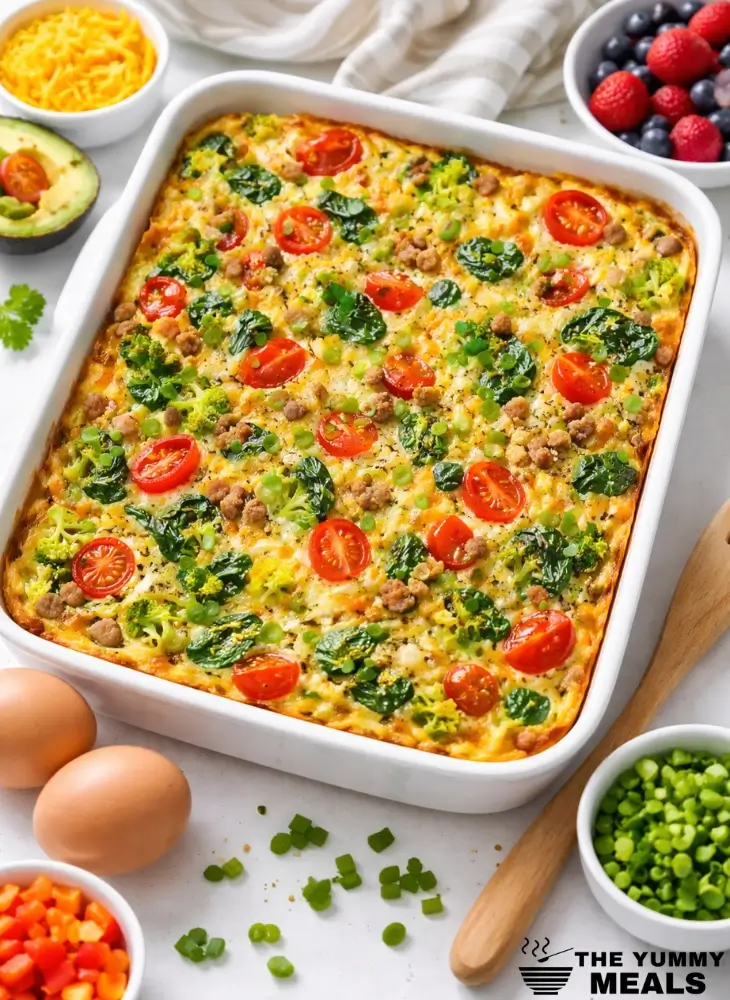
These ideas help you enjoy a Healthy Breakfast Casserole in simple and delicious ways.
- Pair it with fresh fruit or a smoothie for a lightly sweet, fiber-rich meal. The combination feels refreshing and balanced, especially in the morning.
- Serve it alongside whole-grain toast or creamy avocado slices. This adds texture, healthy fats, and makes the meal more satisfying.
- It is great for brunch or meal prep. Slice it into neat squares, serve with your favorite sides, or pack it for later meals during the week.
- Finish with tasty toppings like salsa, hot sauce, or fresh herbs such as chives, basil, or cilantro. You can also add a spoonful of Greek yogurt or cottage cheese, or sprinkle chia or pumpkin seeds for extra crunch.
Frequently Asked Questions
Can I make the casserole the night before?
Yes—assemble everything in the dish, cover and refrigerate, then bake in the morning. Many sources advise this for convenience and flavor.
Can I use frozen vegetables instead of fresh?
You can use them, but keep in mind that frozen veggies release extra moisture, which may change the texture and firmness. Pre-cooking or draining helps minimize this.
Is it okay to freeze after baking?
Sure! Cool it down, cut into serving portions, seal tightly or use an airtight container, and freeze. Reheat when needed.
How will I know if the casserole is done?
The edges should look golden and firm, while the center should be slightly springy when touched. If it still jiggles, give it a bit more time.
How can I make this recipe lower in carbs?
Skip grains like bread or rice and add more veggies or beans; use fewer potatoes or omit entirely for a lower-carb version.
Can I make it dairy-free?
Absolutely—replace regular milk with almond, soy, or oat milk, and use dairy-free cheese or extra herbs and seasonings for flavor.
How do I adjust for larger or smaller servings?
You can scale the dish up or down by adjusting ingredient amounts and choosing the appropriate baking dish. Always ensure cooking time is adjusted if the depth changes.
Recipe Card
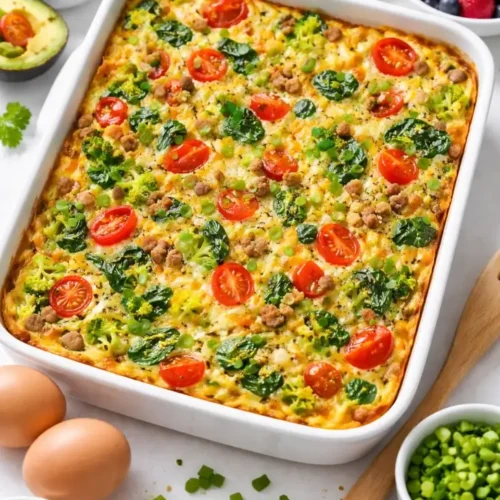
Healthy Breakfast Casserole

Ingredients
• Eggs: 8 large eggs
• Milk (dairy or plant-based): 1 cup
• Salt: ½ teaspoon
• Black pepper: ¼ teaspoon
• Dried herb blend (e.g., oregano, thyme): ½ teaspoon
• Lean turkey sausage (or chicken breast, or tofu): 1 cup cooked and chopped
• Greek yogurt or cottage cheese: ½ cup
• Bell peppers (mixed colors): 1 cup diced
• Spinach or kale: 1 cup chopped
• Mushrooms: 1 cup sliced
• Onion: ½ cup diced
• Whole grains (optional, e.g., cooked quinoa or brown rice): 1 cup.
• Low-fat cheese or dairy-free alternative: 1 cup shredded
• Fresh herbs (optional, for garnish): 2 Tbsp chopped
Instructions
1. Warm up your oven to 350°F (175°C). Lightly grease a 9×13-inch baking dish.
2. Cook the turkey sausage (or chicken or tofu) in a skillet until fully cooked. Drain off any excess fat and set aside.
3. In the same or a separate pan, sauté the diced onion, bell peppers, mushrooms, and chopped spinach (or kale) until the vegetables are tender but still retain some texture.
4. In a large mixing bowl, whisk the eggs, milk, salt, pepper, and dried herbs until well combined.
5. Spread the cooked protein evenly in the bottom of the prepared dish. Layer the sautéed vegetables on top. If using whole grains, add them next in an even layer. Sprinkle the shredded cheese (or dairy-free alternative) over the top of the veggies.
6. Pour the egg-milk mixture evenly over all the layers in the dish. As a finishing touch, dollop the Greek yogurt or cottage cheese in small spoonfuls over the top (optional).
7. Bake in the preheated oven for around 30–40 minutes, or until the edges become golden and the center is firm yet springs back lightly when pressed.
8. Remove it from the oven, allow it to cool for 5–10 minutes, then cut it into squares and serve warm.
Notes
- For a low-carb option, skip the whole grains and add more vegetables instead.
- To make dairy-free, swap in plant-based milk and a dairy-free cheese alternative; omit Greek yogurt/cottage cheese.
- Prepare the casserole a day ahead—cover it, refrigerate overnight, and easily bake it the next morning for a quick, no-stress meal.
- Fresh vegetables give the best texture and taste. If you’re using frozen ones, be sure to thaw and drain them to prevent excess water.
- To increase the protein, easily add one more egg or a bit more Greek yogurt or cottage cheese.
- To freeze leftovers: After baking, let it cool completely, cut it into portions, wrap each one tightly, and freeze for up to 2–3 months. Reheat whenever you’re ready to enjoy.
- For flavor variation, feel free to add spices like smoked paprika, chili flakes, or herbs like basil or cilantro, depending on your taste theme.
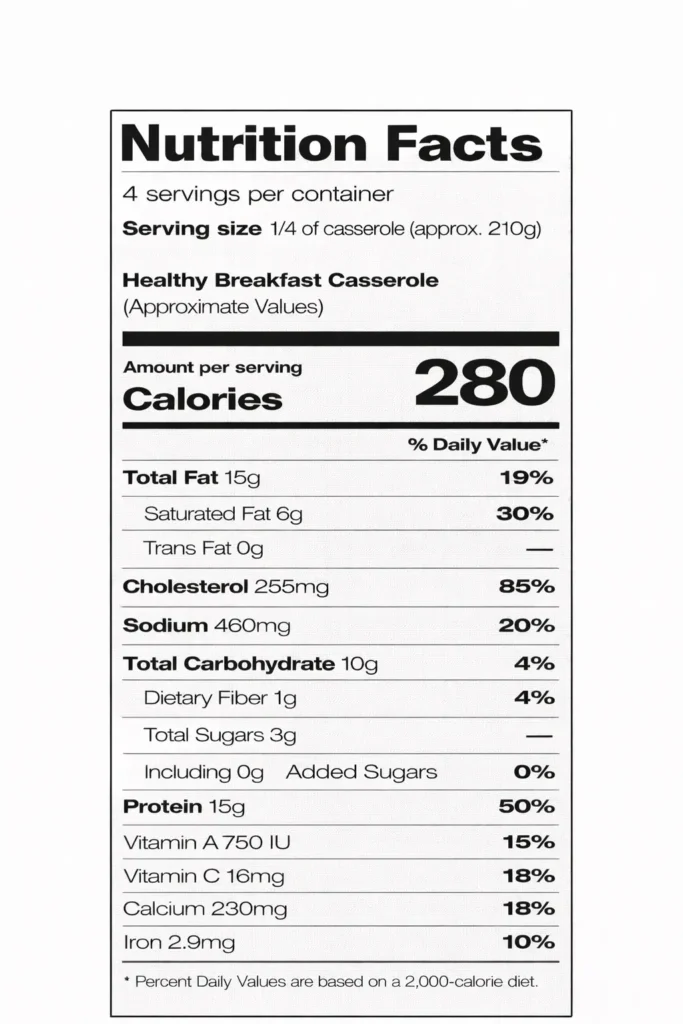
Nutrition Facts (Approximate Values)